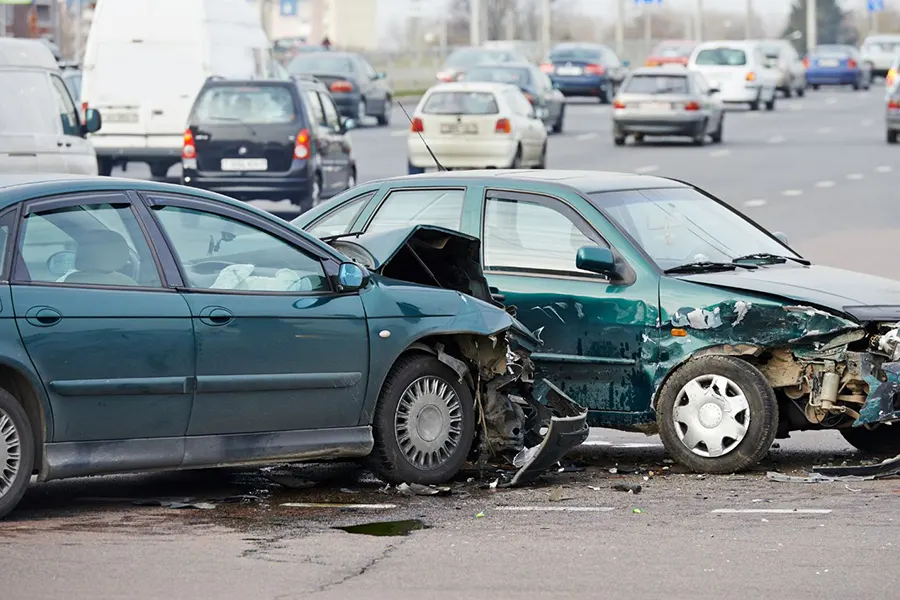
A side-impact accident, also called a T-bone crash, occurs when the front end of one vehicle smashes into the side of another. This frequently happens at intersections. California law allows victims of side-impact crashes to seek compensation for medical expenses, lost wages, pain and suffering, and other losses. If another driver’s negligence caused the collision, you have the right to hold them accountable.
As a personal injury law firm serving Temecula and Riverside County, Zucker Personal Injury & Accident Lawyers has represented many side-impact collision victims. We understand how devastating these crashes can be and what it takes to build a strong claim. Led by veteran attorneys, our firm has won millions of dollars on behalf of injured Californians for nearly 30 years now, and we’re ready to help you, too.
For a free consultation, please reach out to Zucker Personal Injury. Call us today at (951) 699-2100.
Why Side-Impact Collisions Are So Dangerous
Side-impact crashes pose unique dangers that set them apart from other types of accidents. Unlike the front or rear of a vehicle, which has a crumple zone, engine block, or trunk to absorb crash forces, the sides of most cars offer far less protection. While modern vehicles have reinforced side structures, the side of a car still offers far less crush space than the front or rear.
This limited protection means that even relatively low-speed T-bone collisions can cause serious injuries. Side impacts tend to affect the head and chest more frequently than front or rear crashes. The struck vehicle’s occupants have almost no time to react before impact, leaving them especially vulnerable.
Modern vehicles include side-impact airbags and reinforced door panels that help reduce injury severity. Still, older vehicles may lack these features, and high-speed collisions can overwhelm even the best safety systems.
Common Causes of T-Bone Accidents in Temecula
Temecula’s mix of busy arterials, highway interchange areas, and winding roads through wine country creates conditions where side-impact collisions frequently happen. Some of the most common causes include:
- Running red lights or stop signs. A driver who enters an intersection against a signal puts crossing traffic directly in their path. The result is often a violent T-bone collision.
- Failing to yield. California’s right-of-way laws require drivers to yield under specific circumstances. When a driver makes a left turn in front of oncoming traffic or enters a roadway without checking for approaching vehicles, they create the conditions for a side-impact crash.
- Distracted driving. Texting, adjusting GPS, or looking at passengers takes a driver’s attention from the road. At an intersection, even a few seconds of distraction can mean missing a traffic signal or failing to notice cross traffic.
- Speeding. Drivers traveling above the speed limit have less time to stop at signals and less control when approaching intersections. Speed also increases the force of impact, making any resulting collision more severe.
- Impaired driving. Alcohol and drug impairment slow reaction time and impair judgment. An impaired driver may misjudge gaps in traffic or fail to notice a red light.
Intersections along busy corridors such as Rancho California Road, Winchester Road, and Ynez Road see significant traffic volume. When drivers on these roads behave negligently, the consequences can be severe.
How California Law Applies to Side-Impact Collision Cases
California’s traffic laws establish clear rules for intersection behavior. The state Vehicle Code requires drivers approaching an intersection to yield to any vehicle that has already entered from a different highway. When two vehicles reach an intersection at the same time, the driver on the left must yield to the driver on the right.
These rules matter in side-impact collision cases because they help establish fault. If one driver violated a traffic law and that violation caused the crash, the driver is likely negligent and thus liable to pay for injuries.
California follows a “pure comparative negligence” standard for personal injury cases. This means you can recover damages even if you share some fault for the accident. However, your compensation is reduced by your percentage of responsibility. For example, if a jury finds you 20% at fault for a collision and awards $100,000 in damages, you would receive $80,000.
This system protects accident victims who might otherwise be denied any compensation. At the same time, it makes it crucial to establish the other driver’s fault to maximize your recovery. Attorneys Andrew Zucker and Valerie Zucker, with our whole team at Zucker Personal Injury, work to gather evidence, document the other driver’s negligence, and present the strongest possible case on your behalf.
Injuries Common in Side-Impact Crashes
The types of injuries seen in T-bone accidents often reflect the location of impact. Occupants seated on the struck side of the vehicle face the greatest risk, but everyone in the car may be harmed. Common injuries include:
- Traumatic brain injuries. The head may strike the window, door frame, or interior components during a side impact. Even without a direct blow, the violent jolt can cause the brain to shift within the skull.
- Spinal cord injuries. The twisting and lateral forces of a side impact can damage vertebrae, discs, or the spinal cord itself. Severe spinal injuries may result in partial or complete paralysis.
- Broken bones. Arms, ribs, hips, and pelvis bones are all vulnerable in side-impact crashes. Fractures can require surgery and extended rehabilitation.
- Internal injuries. The force of impact can damage internal organs, cause internal bleeding, or lead to punctured lungs. These injuries may not be immediately apparent but can be life-threatening.
- Soft tissue injuries. Whiplash, muscle strains, and ligament tears are common even in less severe collisions. These injuries can cause lasting pain and limit mobility.
Prompt medical attention is essential after any car accident. Some injuries take hours or days to produce symptoms, so getting checked by a doctor protects both your health and your legal claim.
Pursuing Compensation After a Side-Impact Collision
California law entitles accident victims to pursue compensation for the losses caused by someone else’s negligence. In a side-impact collision case, this typically includes:
- Medical expenses. This covers hospital bills, surgery costs, prescription medications, physical therapy, and any future medical treatment your injuries require.
- Lost wages. If your injuries cause you to miss work, you can seek compensation for the income you’ve lost. You may also claim for reduced earning capacity if your injuries hinder you from going back to your previous earning level.
- Property damage. You’re entitled to the cost of repairing or replacing your vehicle and any personal belongings damaged in the crash.
- Pain and suffering. California recognizes that injuries cause more than financial harm. You can pursue compensation for physical pain, emotional distress, and the overall impact on your quality of life.
- Loss of consortium. In serious injury cases, a spouse may have a separate claim for the loss of companionship and support.
California does not cap (limit) compensatory damages in most personal injury cases, including vehicle accidents. A judge or jury can award an amount that they consider fair based on the evidence.
What to Do After a T-Bone Accident
The steps you take immediately after a side-impact collision can significantly affect your ability to recover compensation:
- Check for injuries and call 911 if anyone needs medical attention. Request a police report.
- Exchange information with the other driver, including name, insurance, and contact details.
- Document the scene. Take photos of vehicle damage, traffic signals, road conditions, and any visible injuries.
- Get contact information from witnesses who saw what happened.
- Seek medical attention, even if you feel fine. Some injuries don’t show symptoms right away.
- Contact a personal injury attorney before speaking with insurance adjusters. Insurance companies often try to minimize what they pay, and early statements can affect your claim.
California Traffic Safety Data
Understanding the scope of traffic accidents in California provides context for how common these collisions are. According to the California Office of Traffic Safety, there were 4,061 traffic fatalities statewide in 2023. This represented an 11% decrease from the previous year.
Federal research data shows that side-impact crashes account for a significant portion of traffic fatalities nationwide. An analysis of national data found that passenger car drivers in side-impact collisions with SUVs face substantially higher mortality risk due to vehicle size differences.
These statistics underscore why safety experts and regulators continue to push for improved side-impact protection standards and why victims of these crashes deserve experienced legal representation.
Frequently Asked Questions
Who is typically at fault in a side-impact collision?
Fault depends on the specific circumstances of the crash. Often, the driver who ran a red light, failed to yield, or otherwise violated traffic laws bears responsibility. However, both drivers may share fault in some cases. An investigation of the evidence, including police reports, witness statements, and any available camera footage, helps establish liability.
How long do I have to file a lawsuit after a T-bone accident in California?
In California, the statute of limitations (time limit) for personal injury claims is generally two years from the date of the accident. If you’re filing a claim against a government entity, shorter deadlines may apply. It’s best to consult with an attorney as soon as possible to protect your rights.
What if the other driver doesn’t have insurance?
You may be able to recover compensation through your own uninsured or underinsured motorist coverage. California requires insurance companies to offer this coverage, and many drivers carry it. An attorney can review your policy and identify all available sources of recovery.
How much is my side-impact collision case worth?
Every case is different. The value depends on factors like the severity of your injuries, your medical expenses, lost income, and the impact on your daily life. Our experienced personal injury attorney can evaluate your case and help you understand what compensation may be available.
Key Points to Remember
- Side-impact collisions are especially dangerous because vehicles offer limited protection on the sides.
- California law requires drivers to follow right-of-way rules at intersections. Violations often establish negligence.
- Pure comparative negligence allows you to recover damages even if you share some fault, though your award is reduced proportionally.
- Medical attention immediately after an accident protects your health and strengthens your claim.
- You generally have two years to file a personal injury lawsuit in California.
Contact Zucker Personal Injury & Accident Lawyers for Help With Your Side-Impact Crash Injury Case
If you or someone you care about was injured in a side-impact collision in Temecula or the surrounding Riverside County area, you don’t have to face the insurance companies alone.
Andrew Zucker and Valerie Zucker are top-rated personal injury attorneys in Temecula. Visit Andrew Zucker’s or Valerie Zucker’s profile to learn more about their experience and results.
Call (951) 699-2100 to schedule a free consultation.